Chip iPhone stands at the forefront of technological innovation, transforming the way we experience mobile devices. With each new model, Apple pushes the boundaries of what is possible in smartphone performance, battery efficiency, and user engagement. From the early days of the iPhone to the latest iterations, chip technology has evolved dramatically, paving the way for features that were once unimaginable.
This evolution of chip technology encapsulates a fascinating journey, beginning with the A-series chips that power the iPhone. These chips have seen significant improvements over generations, enhancing not only processing speed but also energy efficiency and multitasking capabilities. The intricate manufacturing process behind these chips, which involves complex semiconductor foundries, ensures that each component meets the high standards expected by millions of users worldwide. As we look to the future, the advancements in chip technology promise even more exciting developments for iPhone users.
Chip Technology in iPhone
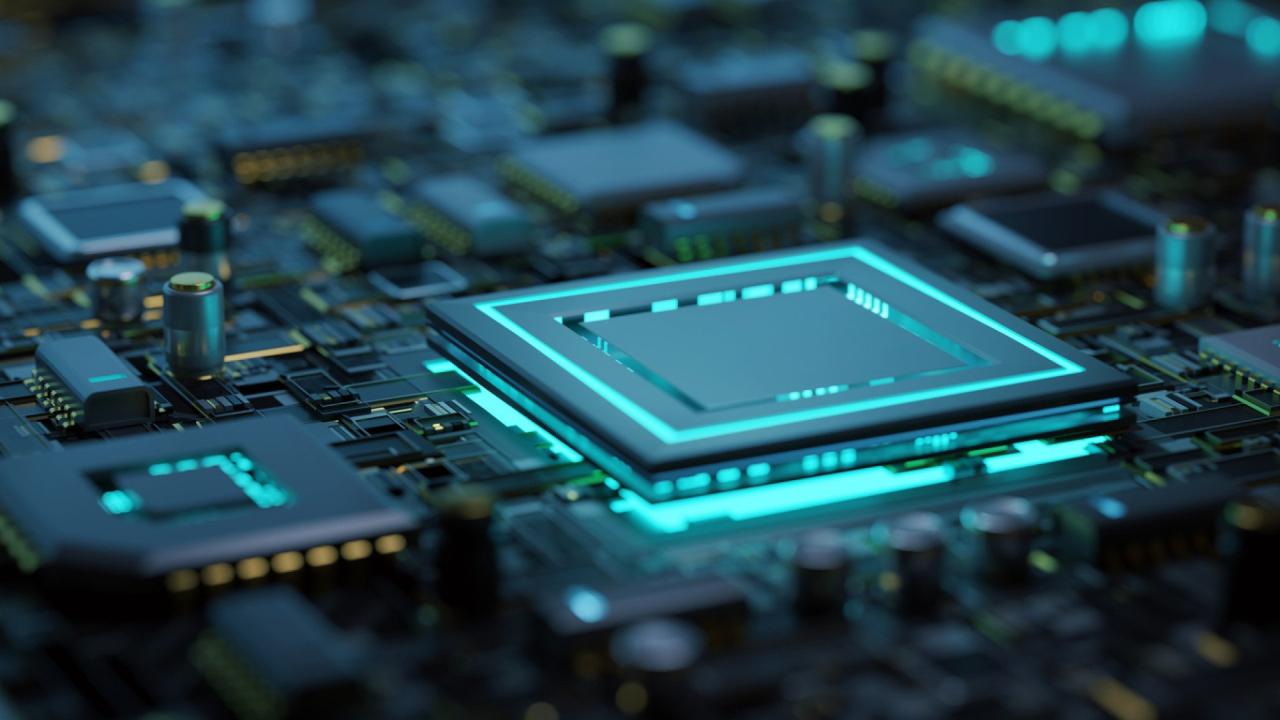
The evolution of chip technology within the iPhone has played a pivotal role in enhancing the performance and efficiency of Apple’s flagship device. From the first-generation iPhone to the latest models, each iteration of the A-series chips has introduced significant improvements, paving the way for advanced capabilities and user experiences. The seamless integration of hardware and software has positioned the iPhone as a leader in mobile technology.
The journey of chip technology in iPhones began with the A4 chip, introduced in 2010. This groundbreaking chip marked Apple’s first foray into designing its processors, enabling better control over performance and energy efficiency. Over the years, subsequent generations have showcased remarkable advancements in processing power, graphics performance, and energy management, demonstrating Apple’s commitment to innovation.
Comparison of A-Series Chips in iPhone Generations
The A-series chips have evolved dramatically over the years, with each new generation providing enhancements in various aspects. Below is a comparison of key A-series chips used across different iPhone models, highlighting their specifications and capabilities:
| Chip Model | Launch Year | Manufacturing Process | CPU Cores | GPU | Neural Engine |
|---|---|---|---|---|---|
| A4 | 2010 | 45nm | 1 | PowerVR SGX535 | No |
| A6 | 2012 | 32nm | 2 | PowerVR SGX 543MP3 | No |
| A8 | 2014 | 20nm | 2 | PowerVR GX6450 | No |
| A9 | 2015 | 14nm | 2 | PowerVR GT7600 | Yes (first generation) |
| A11 Bionic | 2017 | 10nm | 6 | Apple-designed GPU | Yes (first generation) |
| A14 Bionic | 2020 | 5nm | 6 | Apple-designed GPU | Yes (second generation) |
| A16 Bionic | 2022 | 4nm | 6 | Apple-designed GPU | Yes (third generation) |
The advancements in chip design have directly influenced the overall performance of the iPhone. The introduction of multi-core CPUs has enabled significant improvements in multitasking, while integrated graphics processors have enhanced gaming and graphic-intensive applications. Furthermore, the implementation of the Neural Engine has allowed for advanced machine learning capabilities, empowering features like Face ID and improved camera functionality.
Impact of Chip Advancements on iPhone Performance and Battery Life
The advancements in A-series chips have had a profound impact on both performance and battery life in iPhones. Each new chip generation not only boosts CPU and GPU performance but also improves energy efficiency.
The focus on energy-efficient designs means that users can expect longer battery life without sacrificing performance. For instance, the A14 Bionic chip, with its 5nm process technology, offers substantial improvements in performance per watt compared to its predecessors. This allows for intensive tasks, such as video editing and gaming, to be performed without excessive power drain.
“With each new generation, Apple has consistently pushed the boundaries of chip technology, setting new standards in mobile computing.”
Overall, the evolution of chip technology in iPhones has created a powerful synergy between hardware and software, leading to devices that deliver unparalleled performance, extended battery life, and innovative features that continue to define the smartphone experience.
Manufacturing Process of iPhone Chips
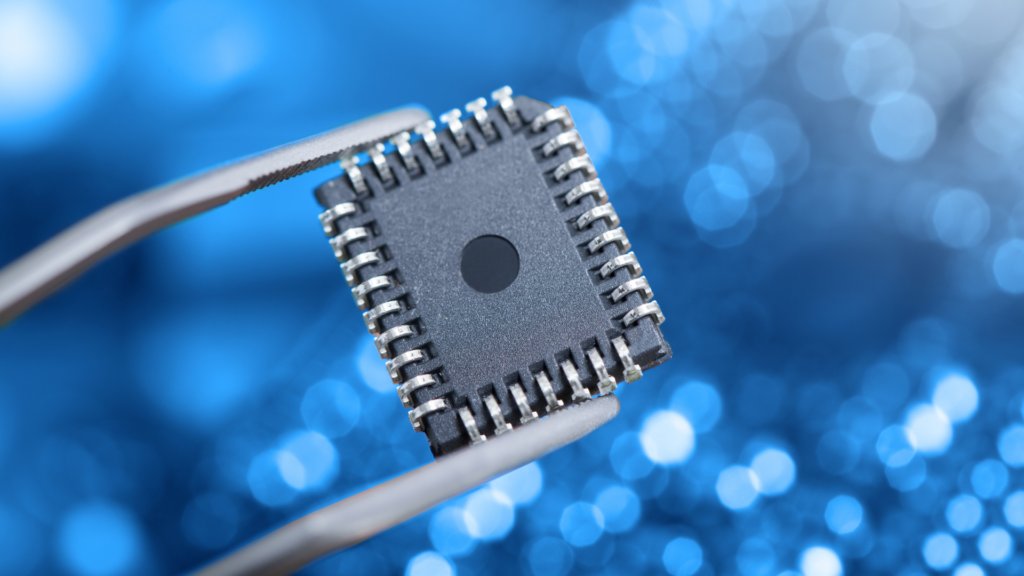
The manufacturing process of chips for iPhones represents a complex and highly refined series of operations that transform raw materials into the sophisticated semiconductors that power Apple’s flagship devices. This process encompasses various critical stages, each ensuring precision and quality to meet the demanding specifications of modern technology.
The chip manufacturing process involves several steps, starting from the design phase to the final testing and packaging of the chips. Each phase is essential to ensure that the chips perform optimally within the iPhone’s ecosystem.
Steps in Chip Manufacturing
The chip manufacturing process is intricate and involves multiple stages, which include:
1. Design: Engineers create detailed designs of the chip architecture using advanced software tools. This blueprint Artikels the functionality and layout of the chip’s circuits.
2. Wafer Fabrication: Using pure silicon ingots, wafers are sliced, polished, and cleaned. The fabrication process includes multiple steps such as:
– Photolithography: A light-sensitive photoresist layer is applied to the wafer, and UV light is used to imprint the circuit designs.
– Etching: Chemicals etch away the exposed photoresist, creating the intricate patterns of the circuit.
– Doping: Impurities are introduced to modify the electrical properties of silicon, enabling it to conduct electricity in specific ways.
3. Packaging: After the chips are fabricated, they are cut from the wafers, tested for functionality, and encased in protective packaging. This stage ensures that the chips are insulated and can be integrated into the iPhone effectively.
4. Testing: Comprehensive testing is conducted to ensure that the chips meet performance standards. This includes functional testing, thermal testing, and reliability testing to ensure durability under various conditions.
5. Delivery: Finally, the chips are sent to assembly plants where they are integrated into the iPhones before being shipped to consumers.
Role of Semiconductor Foundries in Chip Production
Semiconductor foundries play a pivotal role in the production of iPhone chips. These specialized manufacturing facilities are equipped with cutting-edge technology and expertise required to produce chips according to Apple’s specifications. Foundries like TSMC (Taiwan Semiconductor Manufacturing Company) are critical partners in this process, as they possess the advanced fabrication capabilities necessary for producing high-performance chips like the A-series processors used in iPhones.
The collaboration between Apple and semiconductor foundries allows for the rapid development of technology, enabling the production of smaller, faster, and more energy-efficient chips. Foundries also invest heavily in research and development to stay ahead in the competitive semiconductor market.
Challenges Faced During Chip Manufacturing
The chip manufacturing process is fraught with challenges that can affect production timelines and costs. Key challenges include:
– Complex Supply Chains: The semiconductor industry relies on a global supply chain for raw materials and components, making it vulnerable to disruptions such as geopolitical tensions or natural disasters.
– Technological Advancements: As technology rapidly evolves, manufacturers must continuously adapt their processes and equipment to keep pace with the latest advancements, which can require significant investment.
– Yield Rates: The success of chip production is often measured by yield rates, which refer to the percentage of functional chips produced from a wafer. Maintaining high yield rates is critical, as lower rates can lead to increased costs and waste.
– Quality Control: Ensuring that each chip meets the high standards set by Apple is paramount, which requires rigorous quality control processes throughout manufacturing to identify defects early.
– Environmental Regulations: Compliance with environmental regulations can pose additional challenges, as manufacturers must ensure that their processes minimize waste and pollution.
“The efficiency and effectiveness of the chip manufacturing process are crucial for the overall performance of the iPhone, underscoring the importance of collaboration across the supply chain.”
Features and Capabilities of iPhone Chips
The A-series chips utilized in iPhones are a marvel of modern technology, embodying an array of features designed to enhance performance and user experience. These advanced processors are not merely about speed; they incorporate state-of-the-art technologies that push the boundaries of what smartphones can achieve.
The latest A-series chip, such as the A16 Bionic, showcases significant improvements in processing power, energy efficiency, and integrated technologies that cater to diverse user needs. The architecture of these chips is tailored to provide faster computations and smoother multitasking, allowing users to enjoy high-performance applications and games without lag.
Key Features of the Latest A-Series Chip, Chip iphone
The advancements in the latest A-series chip are multifaceted, contributing to a richer user experience and enhanced device capabilities. Key features include:
- Improved CPU and GPU Performance: The A16 Bionic chip features a 6-core CPU and a 5-core GPU, which deliver up to 40% faster graphics performance, enabling seamless gaming and augmented reality (AR) experiences.
- Advanced Neural Engine: With a 16-core Neural Engine capable of 17 trillion operations per second, the chip excels in machine learning tasks, enhancing functionalities like facial recognition and photographic processing.
- Energy Efficiency: Built on a 4nm process technology, the chip offers better power efficiency, which translates to longer battery life and reduced heat generation during intensive tasks.
- Enhanced Image Signal Processing: The integration of sophisticated image processing capabilities allows users to capture stunning photos and videos, even in challenging lighting conditions, making every shot memorable.
Impact on User Experience
The capabilities of the A-series chips significantly enhance the iPhone user experience. The rapid processing speeds enable quick app launches, smoother navigation, and effortless multitasking. Users can run demanding applications, like video editing software or high-end games, without experiencing slowdowns.
The implementation of machine learning and graphics processing technologies further enriches the interaction. For instance, features such as Live Text and Smart HDR leverage the chip’s processing power to deliver innovative functionalities that make daily tasks easier and more enjoyable.
Incorporation of Technologies in iPhone Chips
The iPhone chips are equipped with several cutting-edge technologies that elevate their performance and capabilities. These technologies include:
- Machine Learning: The advanced Neural Engine enables real-time processing for applications like photo enhancement, voice recognition, and personalized recommendations, providing a tailored user experience.
- Graphics Processing: The built-in GPU supports advanced graphics APIs, allowing for realistic rendering in games and applications, which enhances visual fidelity and user immersion.
- Secure Enclave: This dedicated security coprocessor ensures that sensitive information, such as biometrics and payment data, remains protected, thus enhancing user trust.
- Augmented Reality Capabilities: The chip’s powerful processing capabilities facilitate a seamless AR experience, enabling applications that blend the digital and physical worlds, from gaming to interior design.
“The integration of cutting-edge technologies in iPhone chips not only boosts performance but also inspires new ways for users to interact with their devices.”
The continuous evolution of iPhone chips, driven by innovative technologies, ensures that each new generation of iPhones provides an unparalleled user experience, setting a benchmark in the smartphone industry.
Future Trends in iPhone Chip Development
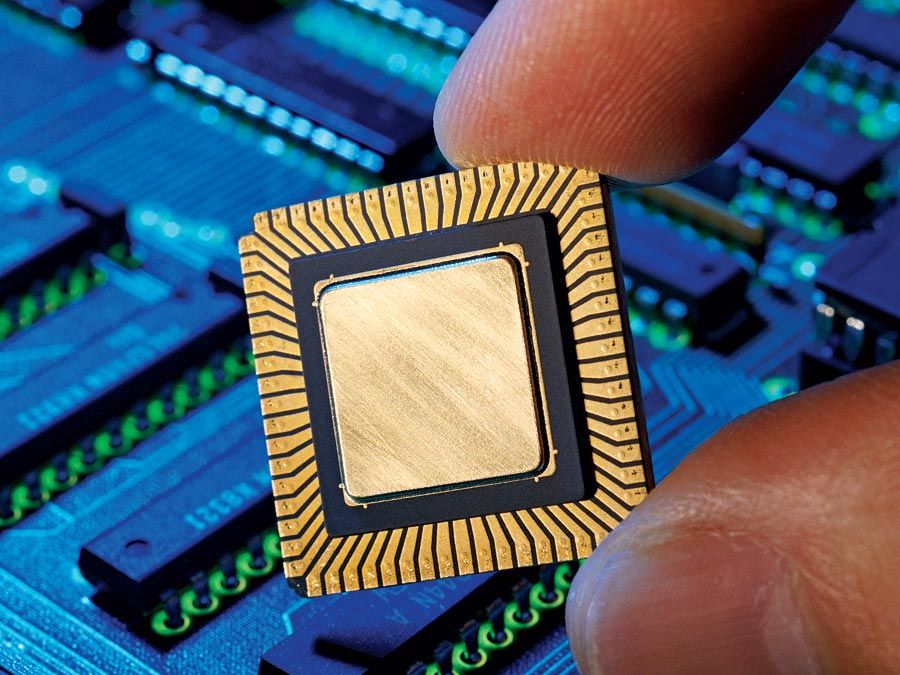
As we look to the future of iPhone chip development, the pace of innovation continues to accelerate. The evolution of chip technology has been a cornerstone of Apple’s strategy, enabling enhancements in performance, efficiency, and user experience. Anticipated advancements promise not only to refine existing capabilities but also to introduce groundbreaking features that could redefine mobile technology.
The future of iPhone chips is likely to be characterized by several key advancements, building on the robust foundation established by current models. With each iteration, Apple aims to push the boundaries of processing power, energy efficiency, and AI integration. Experts predict that future chips will leverage cutting-edge fabrication technologies and explore new architectures, such as 3D stacking, which could significantly enhance performance while reducing power consumption.
Anticipated Advancements in Chip Technology
The future of iPhone chip technology is expected to encompass several transformative advancements. The integration of AI and machine learning capabilities directly into chip architecture is poised to enhance real-time processing and decision-making, offering users personalized experiences that adapt to their needs.
Additionally, emerging semiconductor technologies, such as gate-all-around transistors (GAA), are anticipated to improve performance metrics while minimizing heat generation and power usage. This could lead to longer battery life and improved device longevity, crucial factors for consumers.
- AI Integration: Future chips are likely to feature advanced neural processing units (NPUs) that enable sophisticated on-device AI tasks, enhancing functionalities like image recognition and voice processing.
- 3D Chip Architecture: Implementing a three-dimensional chip design may allow for increased transistor density, improving performance without increasing physical size.
- Advanced Fabrication Techniques: Techniques like extreme ultraviolet lithography (EUV) are set to revolutionize chip manufacturing, allowing for smaller, more efficient chips.
- Enhanced Connectivity: Future chips may incorporate advancements in cellular technology, including support for beyond 5G capabilities, enhancing data speeds and connectivity options.
The shift towards sustainable technology is also influencing iPhone chip development. As environmental concerns grow, the industry is focusing on reducing the carbon footprint of chip production and encouraging recycling practices. Apple’s commitment to sustainability could lead to the use of eco-friendly materials and processes in future chip designs.
“Emerging technologies not only redefine performance but also shape how devices interact with our environment and each other.”
In conclusion, the future of iPhone chip development is not just about enhancing performance; it is a holistic approach that integrates sustainability, AI capabilities, and innovative manufacturing techniques. As technology advances, we can expect iPhone chips to continue leading the market, setting new standards for mobile devices worldwide.
Commonly Asked Questions: Chip Iphone
What is the purpose of the A-series chip in iPhones?
The A-series chip powers all major functions of the iPhone, including processing tasks, graphics rendering, and energy management.
How often does Apple release new chips for iPhones?
Apple typically introduces new A-series chips annually alongside new iPhone models.
Are iPhone chips made by Apple?
While Apple designs the chips, they are manufactured by third-party semiconductor foundries.
What is the significance of chip advancements for iPhone users?
Advancements in chip technology enhance performance, battery life, and enable new features, improving overall user experience.
Will future iPhone chips support more AI features?
Yes, future chips are expected to incorporate advanced AI capabilities, enhancing personalization and efficiency.
The Samsung Galaxy F series has gained popularity for offering impressive features at competitive prices. With its sleek design and powerful performance, it caters to users seeking value without compromising quality. The Galaxy F line stands out in the budget segment, making it an attractive choice for smartphone enthusiasts.
On the other hand, the Samsung Galaxy S11 represents the pinnacle of flagship devices, boasting cutting-edge technology and exceptional camera capabilities. This high-end smartphone is designed for users who demand the best in performance and innovation, ensuring a premium experience with every use. Its advanced features make the S11 a top contender in the market.