samsung note7 sets the stage for this enthralling narrative, offering readers a glimpse into a story that is rich in detail and brimming with originality from the outset. From its ambitious inception to the heights of its marketing campaign, the Samsung Note7 promised cutting-edge technology and user experiences that captivated consumers. However, this smartphone would soon become synonymous with controversy as safety concerns marred its reputation and led to a significant recall, reshaping the landscape of mobile device safety regulations.
The Samsung Note7’s development was marked by a race for innovation, featuring a stunning display, advanced camera capabilities, and the integration of an S Pen for enhanced functionality. Yet, the excitement was short-lived as the reality of battery failures and combustion incidents overshadowed its technological achievements. Exploring the details of its technical specifications, consumer reception, and the broader impact on Samsung and the smartphone industry reveals a complex narrative of ambition, risk, and the lessons learned in the wake of a crisis.
History of Samsung Note7
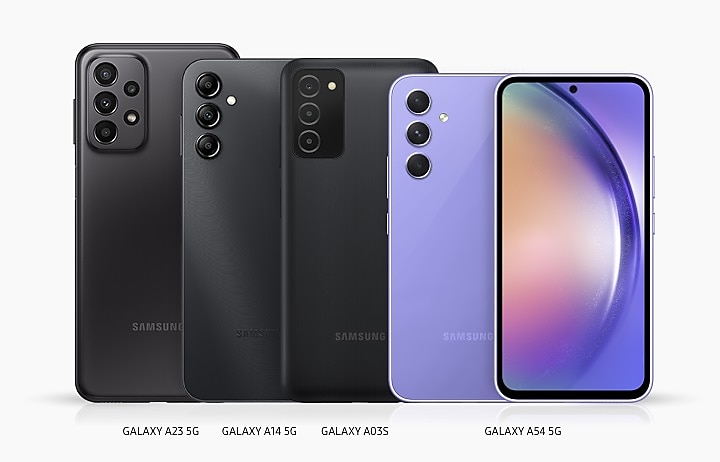
The Samsung Note7 has a storied history marked by innovation, anticipation, and controversy. Launched in August 2016, the Note7 was designed to elevate the user experience in the smartphone market, integrating advanced features into a sleek, premium design. The device’s journey from conception to its swift decline reveals significant insights into both technological advancements and corporate responsibility.
The development timeline of the Samsung Note7 began with its initial conceptualization around 2015, building upon the legacy of its predecessors, the Note5 and Note5 Edge. Samsung aimed to enhance user interaction by introducing features such as a larger display, improved S Pen functionality, and enhanced battery life. The official announcement of the Note7 took place on August 2, 2016, and it was released shortly thereafter. Initial marketing campaigns emphasized the phone’s waterproof capabilities, iris scanning technology, and its powerful camera, which appealed to tech enthusiasts and everyday consumers alike.
Key Features of Samsung Note7
The Samsung Note7 was celebrated for its impressive features, which set it apart in the competitive smartphone market. The device showcased several advancements that were highlighted during its launch:
- Infinity Display: The Note7 featured a 5.7-inch Quad HD Super AMOLED display that curved on both sides, providing an immersive viewing experience.
- S Pen Enhancements: The S Pen was refined to allow users to take notes even when the screen was off and featured improved pressure sensitivity for a more natural writing experience.
- Camera Technology: The rear camera boasted a 12MP Dual Pixel sensor that enabled faster focus and better low-light performance, appealing to photography enthusiasts.
- Iris Scanner: This innovative biometric feature allowed users to unlock their devices securely with just their eyes, adding a new layer of personalization.
- Water and Dust Resistance: With an IP68 rating, the Note7 was designed to withstand immersion in water and protect against dust, making it suitable for various environments.
The excitement surrounding the Note7 was palpable, with consumers eager to experience these features firsthand. However, soon after the launch, significant controversies began to emerge.
Controversies Post-Launch, Samsung note7
Following its launch, the Samsung Note7 quickly became embroiled in safety concerns that overshadowed its innovative features. Reports of the device catching fire while charging started surfacing, leading to widespread alarm among users and the media.
The safety issues can be summarized in the following points:
- Battery Explosions: Several incidents reported the Note7’s battery overheating, resulting in fires and even property damage.
- Global Recall: In September 2016, Samsung announced a global recall of the Note7 units, urging customers to return their devices due to the fire hazard.
- Final Discontinuation: Despite a replacement program, further incidents led to Samsung permanently discontinuing the Note7 on October 11, 2016, marking a significant setback for the brand.
“The Note7’s journey from a flagship device to one of the most notorious recalls in tech history serves as a cautionary tale about innovation and safety.”
The repercussions of the Note7’s battery issues extended beyond immediate safety concerns, impacting consumer trust and leading to significant financial losses for Samsung. The incident remains a pivotal moment in smartphone history, emphasizing the need for stringent safety protocols in product development and manufacturing.
Technical Specifications
The Samsung Note7 marked a significant evolution in the Galaxy Note series, boasting features that combined cutting-edge technology with user convenience. It was designed for power users who required performance, productivity, and creativity in their daily tasks.
The hardware and software features of the Samsung Note7 reflect its premium positioning in the smartphone market. With advanced specifications, it was engineered to deliver exceptional performance, quality, and user experience.
Hardware Features
The hardware specifications of the Samsung Note7 include:
– Display: 5.7 inches Super AMOLED, 1440 x 2560 pixels resolution
– Processor: Qualcomm Snapdragon 820 (in the U.S.) or Exynos 8890 (in other regions)
– RAM: 4 GB
– Storage: Options of 64 GB internal storage, expandable via microSD
– Camera: 12 MP rear camera with dual pixel technology and 5 MP front camera
– Build: Glass front (Corning Gorilla Glass 5), aluminum frame, IP68 certified
These specifications made the Note7 not only visually impressive but also powerful in handling multitasking and demanding applications.
Software Features
The Samsung Note7 was equipped with the latest version of Android at its launch, offering a user-friendly interface and enhanced features:
– Operating System: Android 6.0.1 (Marshmallow) with Samsung’s TouchWiz UI
– Features: S Pen functionality, Always-On Display, Samsung Knox for security, and multi-window support
This combination of hardware and software provided an optimal environment for productivity and entertainment.
Comparative Specifications
When comparing the specifications of the Samsung Note7 with its predecessor, the Note5, and its successor, the Note8, notable advancements are evident.
– Note5 vs. Note7:
– Note5 Display: 5.7 inches, 1440 x 2560 pixels
– Note7 RAM: 4 GB vs. Note5’s 4 GB
– Battery Capacity: Note5 – 3000 mAh, Note7 – 3500 mAh
– Note7 vs. Note8:
– Note8 Display: 6.3 inches, 1440 x 2960 pixels
– Note8 RAM: 6 GB
– Battery Capacity: Note7 – 3500 mAh, Note8 – 3300 mAh
The evolution from Note5 to Note7 showcased improvements in battery capacity and camera technology, while the transition to Note8 further enhanced display size and RAM.
Battery Specifications
Battery performance is crucial in a high-performance device like the Note7. Below is a table showcasing the battery specifications and their implications for performance:
| Model | Battery Capacity | Charging Technology | Typical Usage Duration |
|---|---|---|---|
| Samsung Note5 | 3000 mAh | Fast Charging | Up to 18 hours |
| Samsung Note7 | 3500 mAh | Fast Charging, Wireless Charging | Up to 20 hours |
| Samsung Note8 | 3300 mAh | Fast Charging, Wireless Charging | Up to 20 hours |
The Note7’s 3500 mAh battery capacity allowed for extended usage time, supporting its intensive applications and multitasking capabilities. However, it also faced scrutiny due to safety concerns, leading to its discontinuation. The battery performance, coupled with the efficiency of its processor, aimed to provide users with a seamless experience throughout the day.
Consumer Reception

The Samsung Galaxy Note7 was anticipated with great enthusiasm, reflecting Samsung’s reputation for innovation in the smartphone market. However, the consumer reception post-launch presented a complex picture, marked by initial excitement that quickly shifted to significant concern following the battery issues that led to its recall.
The reception of the Note7 highlighted a mix of commendations for its design and performance, offset by the drastic consequences of the battery failures. Many users praised the device’s stunning display, advanced features, and overall functionality. However, the negative aspects, particularly safety concerns due to overheating and explosions, dominated discussions and affected public perception severely.
Positives and Negatives Noted by Users
A thorough analysis of the consumer feedback reveals crucial insights into both the strengths and weaknesses of the Galaxy Note7.
Major Positives:
– Exceptional Display Quality: Users frequently highlighted the vivid Super AMOLED screen that offered stunning color accuracy and sharpness, enhancing multimedia consumption.
– S Pen Functionality: The enhanced S Pen received accolades for its precision and the creative possibilities it unlocked for note-taking and drawing.
– Performance: With a powerful processor and ample RAM, the Note7 delivered a smooth and responsive user experience, handling multitasking with ease.
Major Negatives:
– Battery Explosions: The most glaring issue was the reports of batteries overheating, leading to fires and explosions, which raised serious safety concerns.
– Recall Frustrations: Users felt inconvenienced by the recall process, as many had to return devices to receive replacements, causing disruption and dissatisfaction.
– Brand Trust Issues: The incident led to diminished trust not only in the Note7 but also in Samsung as a brand, as many consumers questioned the company’s quality control measures.
The feedback from consumers ultimately influenced sales figures dramatically. Initially, the Note7 experienced robust sales, with early reports indicating that it was on track to surpass its predecessor, the Galaxy Note5. However, following the recall announcement in September 2016, sales plummeted sharply.
Comparison of Sales Figures Before and After the Recall Incident
The sales trajectory of the Galaxy Note7 serves as a stark illustration of the impact of the recall on consumer behavior and market performance.
Before the recall, the Note7 was projected to sell over 10 million units within the first few months of its release. Early adopters were eager to purchase the device, motivated by its innovative features and Samsung’s strong brand loyalty.
However, following the widespread reports of battery issues and the subsequent recall, sales figures took a nosedive. By October 2016, Samsung confirmed that it would cease production of the Note7 entirely, resulting in a loss of billions in revenue and a significant hit to its market share.
“The consequences of the Note7 recall were not just financial; they affected consumer perception of Samsung’s commitment to safety and quality.”
In summary, the consumer reaction to the Galaxy Note7 was a blend of initial excitement that was rapidly overshadowed by safety concerns and the fallout from the recall. This experience highlights the critical importance of product safety in maintaining consumer trust and market viability.
Impact on Samsung and Industry
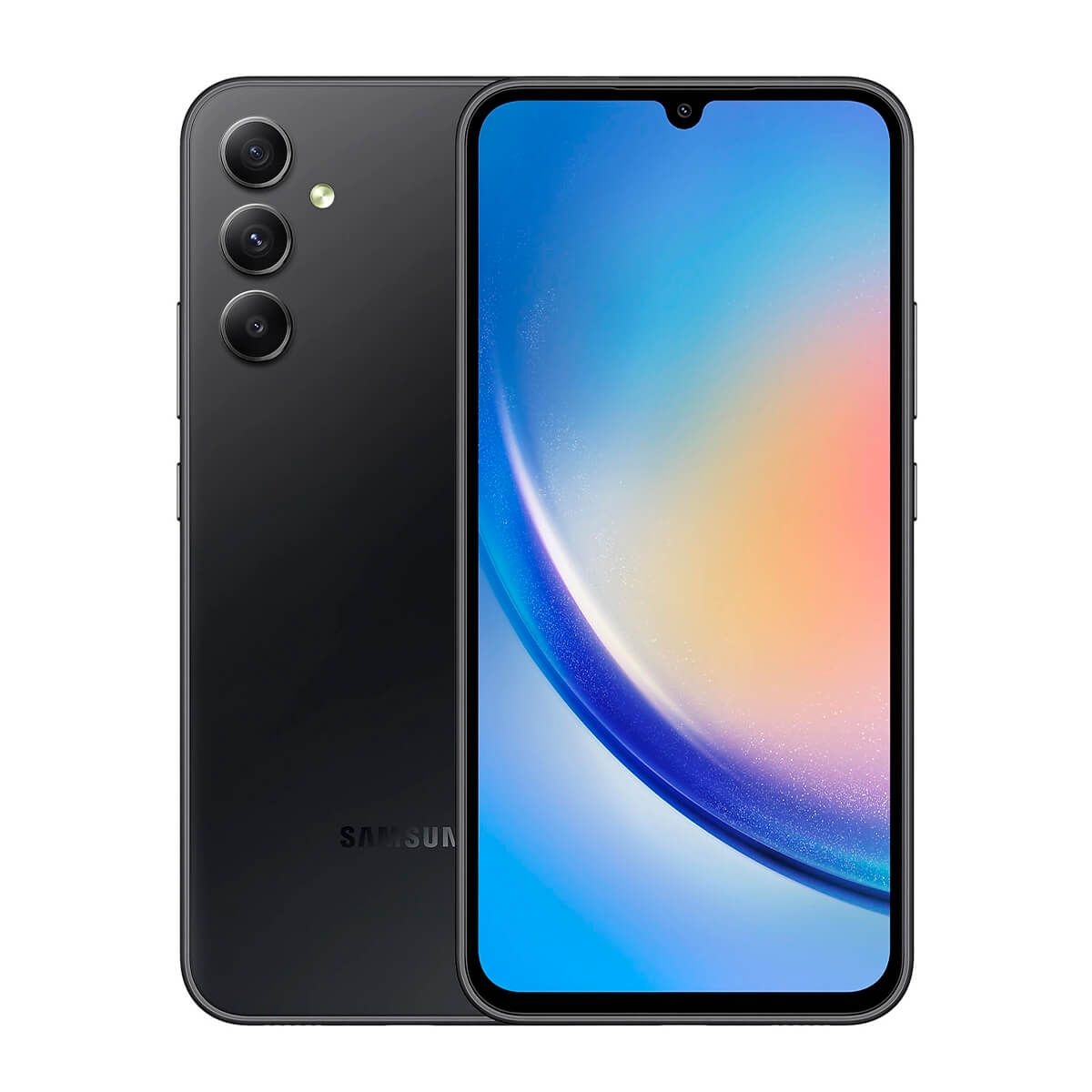
The Samsung Note7 incident marked a pivotal moment not only for the brand but also for the entire smartphone industry. The series of battery failures and the subsequent recall created a ripple effect that reshaped consumer trust and regulatory scrutiny. Understanding the implications of this event provides valuable insights into both Samsung’s strategies and the industry’s evolution.
Impact on Samsung’s Brand Image and Sales Strategy
The Note7 crisis caused significant damage to Samsung’s brand image, which had been synonymous with innovation and quality. As the situation unfolded, Samsung faced an unprecedented backlash, leading to a sharp decline in consumer confidence. The financial repercussions were immediate, with estimates suggesting that the company lost upwards of $5 billion due to recalls and compensation.
To address the fallout, Samsung implemented a series of strategic shifts:
- Revamping Quality Control: Samsung instituted more rigorous testing protocols for its batteries, ensuring that safety was prioritized in future products.
- Transparency in Communication: The company adopted a more open approach in communications with customers and stakeholders, detailing the steps taken to resolve issues and prevent future occurrences.
- Rebranding and Marketing Strategy: Samsung focused on re-establishing its brand through the successful launch of the Galaxy S8, which emphasized design, performance, and safety enhancements.
“The Note7 incident forced Samsung to reassess its operational protocols, leading to a stronger focus on consumer safety and quality assurance.”
Lessons Learned by the Smartphone Industry
The repercussions of the Note7 incident reverberated throughout the smartphone industry, prompting key lessons that manufacturers have since integrated into their practices. The incident highlighted the importance of prioritizing safety and quality in product design and production processes.
Several crucial takeaways emerged:
- Increased Regulatory Oversight: Authorities around the world began to scrutinize smartphone safety standards more rigorously, leading to adjustments in compliance requirements.
- Emphasis on Battery Technology: Manufacturers invested heavily in research to develop safer battery technologies, promoting alternatives to lithium-ion batteries that exhibited lower risks.
- Consumer Education: Brands realized the necessity of educating consumers about battery care and safety, fostering responsible usage practices.
Timeline of Events Leading to Regulatory Changes
The Note7 debacle not only brought attention to Samsung’s practices but also acted as a catalyst for broader regulatory changes across the industry. The following timeline Artikels key events that spurred these regulatory adaptations:
- August 2016: Samsung launches the Note7, receiving initial acclaim for its features.
- September 2016: Reports of exploding batteries surface, prompting the first recall of the device.
- October 2016: A second recall occurs after replacement devices also show battery issues, leading to a complete discontinuation of the Note7.
- December 2016: The U.S. Consumer Product Safety Commission (CPSC) begins inquiries into smartphone battery standards.
- January 2017: Industry stakeholders meet to discuss new safety guidelines for lithium-ion batteries.
- Mid-2017: Regulatory bodies worldwide begin implementing stricter safety standards for smartphone batteries.
The Samsung Note7 incident serves as a cautionary tale within the tech industry, reminding manufacturers of the critical importance of safety and consumer trust in maintaining brand integrity and market position.
Essential FAQs
What were the major features of the Samsung Note7?
The Samsung Note7 featured a 5.7-inch Quad HD display, a powerful Snapdragon 820 processor, an impressive 12MP dual pixel camera, and a water-resistant design, along with an improved S Pen.
Why did the Samsung Note7 face safety concerns?
Safety concerns arose due to battery defects that caused some devices to overheat and catch fire, leading to a global recall.
How did the Note7 controversy affect Samsung’s sales?
Following the Note7 recall, Samsung experienced a significant drop in sales and a tarnished brand reputation, impacting subsequent product launches.
What lessons did the smartphone industry learn from the Note7 incident?
The industry learned the critical importance of rigorous safety testing, quality assurance processes, and transparent communication with consumers.
Was the Samsung Note7 ever relaunched?
Yes, a refurbished version called the Galaxy Note FE was released in select markets with improved safety features, but it did not regain the same popularity as the original.
The Samsung Galaxy S II marked a significant leap in smartphone technology when it was released, showcasing a sleek design and impressive performance for its time. With its vibrant display and advanced features, it quickly became a favorite among tech enthusiasts, setting the stage for future innovations in the Galaxy series.
After the initial success of its predecessors, the Samsung Note7 was highly anticipated, promising an array of premium features. However, its release was marred by battery issues that led to recalls, highlighting the critical importance of quality control in smartphone manufacturing. Despite this setback, the Note7’s design and functionality remain a point of discussion among fans and critics alike.